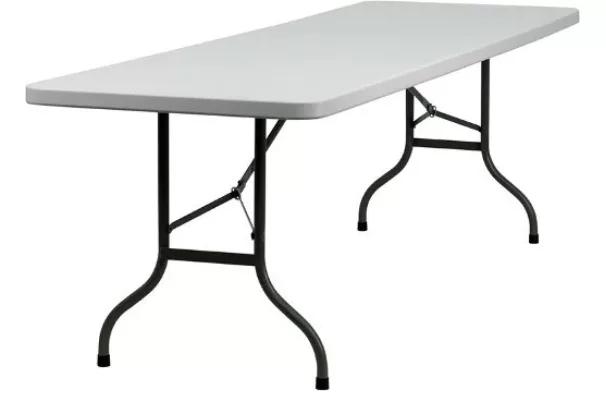
Plastic tables are one of the most versatile and practical solutions for both industrial and domestic needs. From warehouses and workshops to offices and event spaces, these tables offer durability, ease of maintenance, and flexibility that other materials often cannot match. But with so many options available, how do you select the right plastic table for your specific requirements? This guide explores everything you need to know—from types, features, and applications to maintenance and longevity.
Why Choose Plastic Tables?
When it comes to selecting furniture or workspace solutions, plastic tables offer several advantages over traditional materials like wood or metal:
- Durability: High-quality plastic tables are resistant to corrosion, rust, and many chemicals, making them ideal for industrial environments. Unlike metal, they won’t dent easily, and unlike wood, they won’t warp or rot.
- Lightweight and Portable: One of the main benefits of plastic tables is their lightweight design. This allows for easy repositioning, folding, or stacking without heavy lifting equipment.
- Versatility: Plastic tables come in a variety of shapes, sizes, and designs to suit any environment, whether it’s a warehouse, office, home, or outdoor event.
- Low Maintenance: Unlike wood or metal, plastic tables are easy to clean and require minimal upkeep. A simple wipe-down with mild detergent is usually sufficient to maintain hygiene and appearance.
- Cost-Effective: Plastic tables provide excellent value for money. They combine longevity with affordability, making them a practical investment for both commercial and domestic purposes.
Types of Plastic Tables
To select the right plastic table, it’s crucial to understand the different types available and their applications.
1. Folding Plastic Tables
Folding plastic tables are ideal for both temporary and permanent setups. They are lightweight, portable, and can be stored easily when not in use.
Applications:
- Event spaces such as weddings, parties, or corporate functions
- Training rooms or classrooms
- Temporary workshop stations
Features to Consider:
- Locking mechanisms for stability
- Weight capacity
- Foldable design for easy storage
2. Stacking Plastic Tables

Stacking tables are designed to save space, allowing multiple tables to be stacked on top of each other. They are common in event management and office environments.
Applications:
- Cafeterias and dining areas
- Conference and training rooms
- Community centers and halls
Features to Consider:
- Nesting design for efficient storage
- Durable legs and frames to prevent wobbling
- Lightweight construction for ease of handling
3. Workbench-Style Plastic Tables
For industrial and warehouse settings, workbench-style plastic tables provide a robust surface for assembly, storage, and maintenance work. Often, these tables are reinforced with metal frames for extra strength.
Applications:
- Manufacturing and assembly lines
- Maintenance and repair workshops
- Laboratories and production facilities
Features to Consider:
- Load capacity
- Height-adjustable legs for ergonomic use
- Surface durability against chemicals and heavy use
4. Outdoor Plastic Tables
Outdoor plastic tables are specially designed to withstand weather conditions such as rain, sun, and humidity. They are often used in parks, patios, and outdoor events.
Applications:
- Outdoor dining areas and picnic spots
- Community events and fairs
- Garden and patio setups
Features to Consider:
- UV-resistant surface
- Waterproof material
- Easy-to-clean surfaces
Key Factors to Consider When Selecting a Table

Choosing the right plastic table isn’t just about appearance. Several key factors will determine how well a table meets your needs:
1. Size and Shape
Measure your available space before purchasing. Plastic tables come in various shapes including rectangular, round, square, and oval. For larger groups or workshops, rectangular tables are ideal. Round tables are best for collaborative setups or social events.
2. Load Capacity
Consider what the table will be used for. Light-duty tables are suitable for casual dining or temporary setups, while heavy-duty tables are required for warehouses or workshops. Always check the manufacturer’s specifications for maximum weight limits.
3. Height and Ergonomics
For workbench or industrial tables, height is critical. Adjustable legs allow users to customize the table for comfort and safety. Standard dining or event tables generally have a height of 28–30 inches, while workbenches may be taller.
4. Surface Material and Finish
High-quality plastic tables have smooth, non-porous surfaces for easy cleaning. Some models feature textured or reinforced surfaces for extra durability in high-traffic areas.
5. Stability and Safety
Ensure the table has a solid frame and sturdy legs. Anti-slip feet or locking mechanisms prevent accidents in workplaces, workshops, and event spaces.
6. Portability and Storage
Consider whether you need a table that can be easily moved or stored. Folding and stacking tables are ideal for space-saving and transport.
Benefits of Using Tables in Industrial Settings
Plastic tables aren’t just versatile—they are indispensable in industrial and warehouse environments. Here’s why:
- Chemical Resistance: In factories or laboratories, plastic tables withstand spills and harsh chemicals better than wood.
- Lightweight Handling: Unlike metal workbenches, plastic tables are easy to relocate, reducing downtime during workspace reconfiguration.
- Non-Conductive Surface: Plastic is a safe choice for work involving electrical equipment, reducing the risk of shocks.
- Cost Savings: Durable tables reduce the need for frequent replacements, saving money for industrial facilities.
Benefits of Tables for Events and Hospitality
For event organizers, schools, and restaurants, plastic tables offer unmatched convenience:
- Quick Setup: Folding and lightweight design makes it easy to set up large venues.
- Easy Cleaning: Smooth surfaces ensure fast cleanup after meals or activities.
- Versatile Use: Can be used for seating, display, or buffet setups.
- Weather Resistant: Outdoor plastic tables withstand rain and sun, perfect for open-air events.
Maintenance Tips for Tables
Maintaining your plastic tables ensures longevity and continued performance:
- Regular Cleaning: Wipe down tables with a damp cloth and mild detergent. Avoid harsh chemicals that could degrade the plastic.
- Avoid Overloading: Adhere to the manufacturer’s weight guidelines to prevent damage or deformation.
- Store Properly: For folding or stacking tables, store in a dry, shaded area to prevent UV damage or warping.
- Check for Damage: Inspect joints, legs, and surfaces regularly. Repair or replace parts as needed to maintain stability.
Choosing the Right Supplier
When purchasing plastic tables, quality and reliability are crucial. Look for suppliers that offer:
- Durable, high-quality products
- Comprehensive specifications and weight ratings
- Warranty or after-sales support
- Fast delivery and nationwide availability
At West Coast Suppliers, we provide a wide range of plastic tables suited for industrial, office, and event applications. Our tables are designed for strength, durability, and ease of use, making them a trusted choice across South Africa.
Conclusion
Selecting the right table involves more than choosing a simple surface—it’s about understanding your specific needs, usage environment, and longevity requirements. From warehouses and workshops to events and offices, plastic tables provide an affordable, durable, and versatile solution for any space. By considering factors like size, weight capacity, design, and supplier reliability, you can ensure that your plastic table will serve you effectively for years to come.
Explore our range of plastic tables at West Coast Suppliers today and discover the perfect solution for your workspace, warehouse, or event needs.