Scaffolding for Sale: A Buyer's Guide for Western Cape Businesses
Looking at scaffolding for sale and not sure where to start? Here's what to compare before you buy, from aluminium versus steel to load ratings and safety certification.
Why Businesses Search for Scaffolding for Sale
Whether you're a contractor kitting out a new site, a facilities team handling in-house maintenance, or a homeowner tackling a renovation, browsing scaffolding for sale is usually the first step in a bigger decision. Hiring scaffolding makes sense for a single short job, but if you need access equipment regularly, buying scaffolding outright can work out far more cost-effective over time. The challenge is knowing what to look for so the scaffolding for sale you choose actually suits the work you do.
Scaffolding is not a one-size-fits-all purchase. The right setup depends on the height you need to reach, the load the platform must carry, how often the equipment will be moved, and where it will be used. Getting this wrong can slow a project down or, more importantly, create a safety risk. Before you buy, it helps to understand the main types of scaffolding for sale and how they compare.
Aluminium Scaffolding for Sale vs Steel Scaffolding for Sale
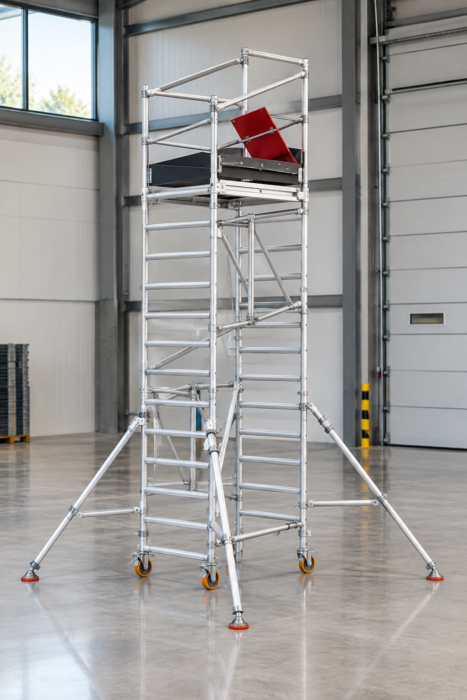
The two most common options on the market are aluminium and steel scaffolding, and each suits different applications. Aluminium scaffolding is lightweight, which makes it easier to move, assemble and dismantle, particularly for teams that relocate their working platform frequently across a site. It also resists rust, making it a practical choice in coastal environments like the Western Cape, where moisture and salt air can shorten the lifespan of untreated steel components.
Steel scaffolding, on the other hand, is generally the stronger and more rigid option, better suited to heavy-duty industrial applications, longer-term installations, or sites where maximum load capacity matters more than portability. It typically costs less upfront than aluminium of a comparable size, though it is heavier to transport and erect. When comparing scaffolding for sale, weigh up how often the structure needs to move against how much load it needs to carry.
What to Check Before Buying Scaffolding
Start with the working height and platform size you actually need for your typical jobs, rather than buying the biggest system available. Oversized scaffolding is harder to store, transport and set up, and it adds unnecessary cost. Next, check the load rating. Scaffolding is generally rated for light duty, general duty or heavy duty use, and this needs to match the weight of workers, tools and materials that will be on the platform at any one time.
- Working height and reach required for your typical projects
- Load rating, matched to workers, tools and materials combined
- Material: aluminium for portability, steel for heavy-duty strength
- Ease of assembly, and whether it requires specialised tools
- Safety features such as guardrails, toe boards and locking castors
- Compliance with relevant safety standards for working at height
It's also worth checking how easily replacement parts and add-on components are available from the supplier, so a single damaged piece doesn't put the whole system out of action.
Safety Should Come Before Price
It can be tempting to choose whichever scaffolding for sale has the lowest price tag, but safety has to come first when it comes to working at height. Look for scaffolding with secure locking mechanisms, guardrails, toe boards and stable, lockable castors or base plates. Confirm that the system meets recognised safety standards, and make sure whoever will be assembling and using it is properly trained on safe setup, inspection and use.
Regular inspection matters just as much after purchase. Even well-built scaffolding needs to be checked for damage, corrosion or worn components over time, especially if it's being moved and reassembled often on different sites.
Buying Scaffolding in the Western Cape
If you're comparing scaffolding for sale in Cape Town or elsewhere in the Western Cape, working with a local, established supplier makes the process easier. You can discuss your specific application, working height, load requirements and budget before settling on a system, rather than guessing from a spec sheet alone. West Coast Suppliers stocks a range of aluminium scaffolding suited to both trade and industrial use, along with the components and accessories to keep your setup safe and compliant.
West Coast Suppliers works alongside trusted partners such as Antherian and Summit & Solt to help businesses source reliable access equipment at fair prices.
Conclusion
When you're comparing scaffolding for sale, focus on the full picture rather than price alone: working height, load rating, material, ease of assembly and safety features all matter. The right scaffolding, bought from a supplier who can talk you through the options, becomes a dependable part of your operation instead of an ongoing hassle.