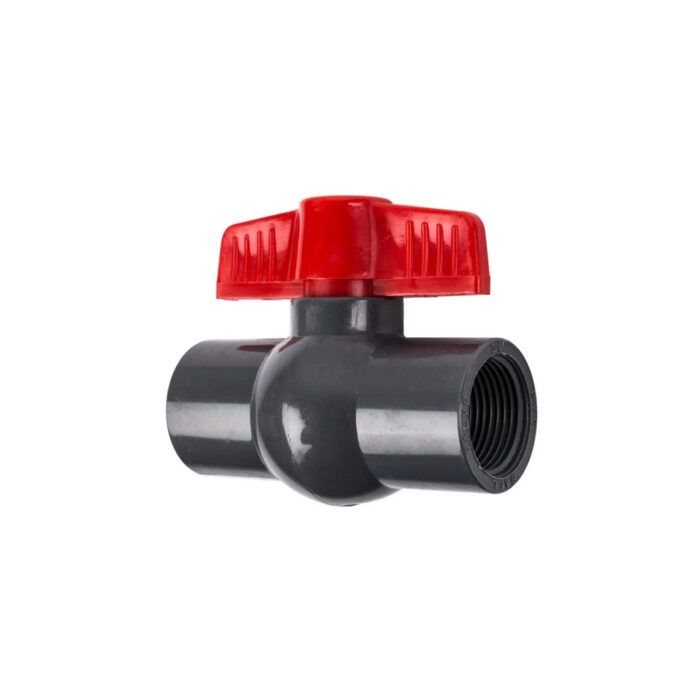
In fluid management systems across South Africa—from irrigation networks and water treatment plants to chemical processing factories—PVC Valves South Africa play a vital role. Lightweight yet durable, chemically resistant yet cost-effective, these valves are essential for controlling flow, pressure, and direction. This blog explores the different types of PVC valves, their practical applications, and how to select the right ones for your project.
Table of Contents
- What Are PVC Valves?
- Why Use PVC Valves in South Africa?
- Common Types of PVC Valves & Their Functions
- Key Selection Criteria for PVC Valves South Africa
- Installation Best Practices
- Maintenance & Longevity
- PVC Valves vs Alternatives
- Industry Standards & Compliance in SA
- Cost Benefits & ROI Insights
- Troubleshooting Common Valve Issues
- Applications Across South African Industries
- FAQs
- Conclusion
1. What Are PVC Valves?
PVC Valves South Africa are components made from polyvinyl chloride (PVC) used to regulate or shut off fluid flow in piping systems. Their smooth interior surfaces, resistance to corrosion, and lightweight properties make them popular in various settings.
2. Why Use PVC Valves in South Africa?
- Corrosion resistance in harsh or chemically aggressive fluids
- Low cost and availability suited to local budgets
- Lightweight and easy to install—even for remote regions
- Chemical compatibility with fertilizers, wastewater, and potable water
- Temperature range suitable for most irrigation and wastewater applications
3. Common Types of PVC Valves & Their Functions
| Valve Type | Function | Typical Use Cases |
|---|---|---|
| Ball Valve | Quick shut-off, low friction | Irrigation, pool plumbing, industrial shut-offs |
| Gate Valve | Full-flow control with low pressure drop | Water mains, supply lines |
| Globe Valve | Fine control of flow rate | Chemical dosing, process control |
| Check Valve | Prevents backflow | Pump lines, drainage, wastewater systems |
| Butterfly Valve | Efficient large-diameter flow control | Treatment plants, floodgates, large irrigation systems |
| Diaphragm Valve | Sanitary, leak-tight control | Water treatment, chemical metering |
4. Key Selection Criteria for PVC Valves South Africa
- Chemical compatibility with the fluid in question
- Pressure rating (e.g., PN10, PN16) for your system
- Temperature tolerance—PVC typically handles up to ~60 °C
- End connections: socket weld, threaded, flange type
- Certification: SANS-compliance, UV resistance, NSF for potable water
5. Installation Best Practices
- Use PVC-compatible primer and solvent cement for socket welds
- Align valve disc/ball correctly before curing
- Avoid overtightening threaded valves to prevent cracks
- Add supports for heavy or long pipe sections
- Pressure-test between 1.5× and 2× maximum operational pressure
6. Maintenance & Longevity
- Regular valve cycle operation to prevent seizing
- Inspect seals, O-rings, and bolts periodically
- Clean valve internals and refresh seals as needed
- Replace worn components using manufacturer-approved spares
7. PVC Valves vs Alternatives
| Feature | PVC Valves | Metal Valves | HDPE Valves |
|---|---|---|---|
| Corrosion Resistance | Excellent | Good to moderate | Moderate |
| Cost | Low–moderate | High | Moderate |
| Weight | Very light | Heavy | Light |
| Chemical Compatibility | Very good | Varies | Good |
| Durability | 10–20+ years | 20–30+ years | Varies |
8. Industry Standards & Compliance in SA
Certified PVC Valves South Africa should meet:
- SANS 10088 for pressure systems
- SANS 161–167 for waterworks valves
- UV-rating and potable certifications for food-water use
9. Cost Benefits & ROI Insights
- Lower material and shipping costs than metal
- Less labor-intensive to install
- Minimal maintenance yields long-term savings
- Ideal ROI for irrigation, municipal, or industrial installs
10. Troubleshooting Common Valve Issues
- Valve won’t fully open/close? Check alignment, remove debris
- Internal leakage? Replace seals and inspect seat integrity
- Cracking? Ensure proper installation torque, correct stress relief
- Chemical attack? Verify the chemical compatibility rating
11. Applications Across South African Industries
- Agriculture: irrigation manifolds, fertigation
- Water & Wastewater Plants: chemical dosing and backflow prevention
- Swimming Pools: equipment room shut-offs
- Industrial Processing: slurry, chemical feed in factories
- Construction: dewatering and drainage control
12. Frequently Asked Questions
Q: Can PVC valves handle hot water?
A: Up to about 60 °C; consult data sheets for thermal limits.
Q: Are PVC valves safe for potable systems?
A: Use NSF-certified or lead-free variants for safe drinking water use.
Q: Can they be used underground?
A: Yes—ensure proper supports and accessible shut-offs.
Conclusion
In fluid control systems across South Africa, PVC Valves South Africa deliver lightweight, durable, and reliable performance. From agriculture and wastewater to industrial processes, they offer cost-effective and corrosion-resistant valve solutions. By understanding valve types, selection criteria, installation practices, and maintenance, you can ensure your fluid systems operate at peak efficiency.
Looking to source certified PVC valves? Browse our selection of PVC Valves South Africa or contact us for technical guidance and competitive quotes.