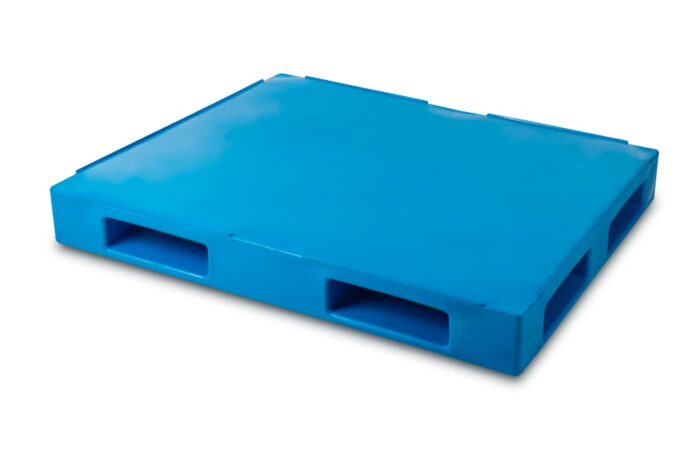
Efficient material handling is a cornerstone of warehouse productivity. Pallets play a vital role in storing, transporting, and organising goods, providing a standardised platform that improves workflow, reduces handling time, and ensures safety. At West Coast Suppliers, we supply a variety of pallet types to meet the needs of industrial warehouses, factories, and commercial storage facilities.
This comprehensive guide explores pallet types, load capacities, benefits, and tips for selecting the right pallet for your warehouse operations.
What Are Pallet?
Pallets are flat structures used to support goods during storage and transportation. They provide stability for stacking, make forklifting easier, and allow for safe and efficient movement of goods across warehouses or distribution centres. Pallets are a fundamental component in industrial warehousing and logistics.
Key Features:
- Standardised dimensions for uniform handling
- Compatibility with forklifts, pallet jacks, and conveyors
- Designed for stacking and maximising storage space
Types of Pallets
1. Wooden Pallet
Wooden pallets are the most widely used type due to their affordability, strength, and versatility. They are suitable for various industrial and commercial applications.
Benefits:
- Supports heavy loads
- Easy to repair if damaged
- Biodegradable and recyclable
- Ideal for shipping and storage of non-sensitive goods
Considerations: Susceptible to moisture and pests if not treated.
2. Plastic Pallet
Plastic pallets are durable, lightweight, and resistant to moisture, chemicals, and pests. They are commonly used in industries where hygiene is essential, such as food and pharmaceuticals.
Benefits:
- Long-lasting and reusable
- Resistant to corrosion and contamination
- Lightweight for easier handling
- Suitable for automated systems
Considerations: Higher initial cost compared to wooden pallets.
3. Metal Pallet
Metal pallets, often made from steel or aluminum, are extremely strong and suitable for heavy-duty industrial use. They are used where maximum load capacity is required or in harsh conditions.
Benefits:
- Can handle very heavy loads
- Extremely durable and long-lasting
- Resistant to extreme temperatures and harsh environments
Considerations: Expensive and heavier than other pallet types, requiring mechanical handling.
Load Capacities and Specifications
Different pallet types have varying load capacities:
- Wooden Pallet: Typically support 1,000–1,500 kg
- Plastic Pallet: Usually support 500–1,200 kg depending on design
- Metal Pallet: Can support 1,500–3,000 kg or more
When choosing pallet, it’s crucial to consider the weight of your goods, stacking requirements, and handling methods.
Benefits of Using Pallet in Warehouses
- Improved Handling Efficiency: Pallet allow forklifts and pallet jacks to move multiple items simultaneously, saving time and reducing labour costs.
- Enhanced Storage Organisation: Pallet standardise stacking and help maximise vertical and horizontal space.
- Safety: Prevents goods from tipping or falling, reducing workplace accidents.
- Durability: High-quality pallet withstand repeated use and heavy loads.
- Compatibility with Storage Systems: Works seamlessly with racking, shelving, and automated warehouse systems.
Choosing the Right Pallet
When selecting pallets, consider the following factors:
- Load Requirements: Determine the maximum weight per pallet.
- Material: Choose wood, plastic, or metal based on durability, hygiene, and cost.
- Warehouse Environment: Moisture, temperature, and chemicals may affect pallet material choice.
- Handling Equipment: Ensure pallets are compatible with forklifts, pallet jacks, or conveyor systems.
- Storage Method: Decide between static storage, racking, or stacking for optimisation.
Applications of Pallet
- Warehouses & Distribution Centres: Streamline inventory movement and storage.
- Manufacturing Facilities: Safely store and transport raw materials or finished goods.
- Retail & Wholesale: Organise merchandise for easy access and shipping.
- Food & Beverage: Maintain hygiene standards using plastic pallets.
- Export & Shipping: Standardised pallets simplify international transportation.
Maintenance and Longevity
Proper care extends pallet life and ensures safety:
- Inspect pallets regularly for cracks, splinters, or damage
- Keep wooden pallets dry to prevent rot and pest infestation
- Clean plastic and metal pallets to maintain hygiene
- Rotate pallets to distribute wear evenly
- Replace damaged pallets promptly to prevent accidents
Why Choose West Coast Suppliers for Pallet?
West Coast Suppliers offers a comprehensive range of high-quality pallet in Cape Town, catering to warehouses and industrial operations. Benefits include:
- Expert guidance on selecting the right pallet type
- Access to wooden, plastic, and metal pallets
- Solutions designed for load capacity, durability, and warehouse workflow
- Reliable delivery and support for bulk orders
With West Coast Suppliers, businesses can optimise storage, improve material handling efficiency, and maintain a safer, more organised warehouse.
Conclusion
Investing in the right pallet is crucial for industrial warehouse efficiency, safety, and organisation. Whether you choose wooden, plastic, or metal pallets, selecting the appropriate type ensures maximum load capacity, durability, and compatibility with your workflow.
West Coast Suppliers provides a wide range of pallets suitable for every warehouse, factory, or distribution centre in Cape Town. Optimise your warehouse operations today with reliable, durable, and high-performing pallets that improve productivity and safety.