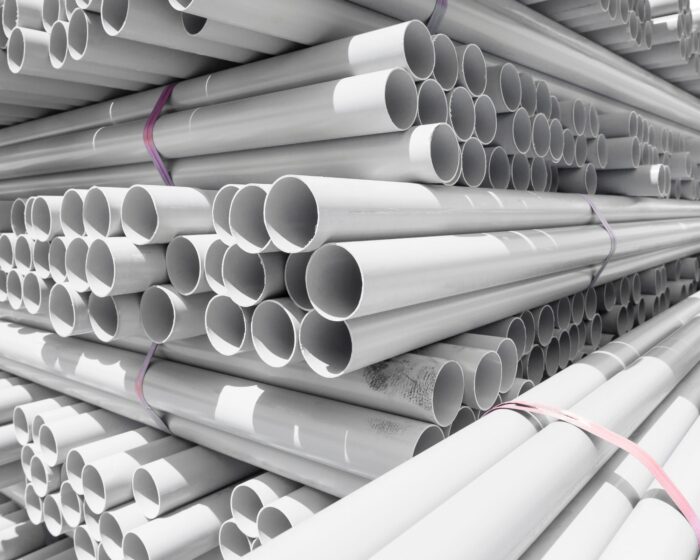
HDPE Pipes South Africa has become a phrase synonymous with durability, efficiency, and long-term cost savings in the civil engineering and infrastructure sectors. As the demand for sustainable, low-maintenance, and high-performance piping systems grows across municipalities, agricultural developments, and industrial projects, HDPE pipes (High-Density Polyethylene pipes) have emerged as the backbone of modern South African infrastructure.
In this in-depth guide, we’ll explore how HDPE Pipes South Africa are changing the face of local infrastructure, covering everything from the technical benefits to their environmental and economic value in the context of South African terrain, climate, and long-term development goals.
Table of Contents
- Introduction to HDPE Pipes
- Why HDPE Pipes South Africa is a Leading Search Term
- HDPE Pipe Applications Across South Africa
- Benefits of Using HDPE Pipes in Local Infrastructure
- HDPE vs. Other Piping Materials
- HDPE Pipe Longevity in Harsh Conditions
- HDPE Pipes in Water & Sewage Systems
- Cost Analysis: Installation & Maintenance Savings
- Environmental Impact & Sustainability
- Compliance with South African Standards
- Challenges in Adopting HDPE Pipes South Africa
- How to Source Reliable HDPE Pipes in South Africa
- Future of HDPE Infrastructure in South Africa
- Conclusion
1. Introduction to HDPE Pipes
High-Density Polyethylene (HDPE) pipes are flexible plastic pipes made from thermoplastic polyethylene. Known for their high strength-to-density ratio, HDPE pipes have been widely used across the globe for water mains, gas mains, sewer mains, rural irrigation, and other utility pipelines.
In HDPE Pipes South Africa markets, the demand has skyrocketed thanks to their resistance to corrosion, light weight, and ability to withstand extreme environmental conditions.
2. Why ‘HDPE Pipes South Africa’ is a Leading Search Term
South African engineers, construction companies, municipalities, and agricultural developers are increasingly searching for HDPE Pipes South Africa online. The reason? HDPE offers a future-proof solution for deteriorating infrastructure systems and limited maintenance budgets. As rural development grows, so does the demand for reliable, flexible piping systems.
Whether you’re building a sewage network in Gauteng, setting up an irrigation system in Limpopo, or laying water lines in the Western Cape, HDPE Pipes South Africa offer unmatched value.
3. HDPE Pipe Applications Across South Africa
The range of use cases for HDPE Pipes South Africa is extensive:
- Municipal Water Supply: Lightweight and easy to install, HDPE pipes are ideal for underground municipal water lines.
- Sewage Systems: HDPE’s resistance to chemicals and corrosion makes it ideal for wastewater and sewage systems.
- Agricultural Irrigation: Farmers benefit from its flexibility and ability to withstand UV rays and temperature fluctuations.
- Mining & Industrial Sectors: Its toughness suits abrasive environments such as mine slurry or chemical transport.
- Telecom & Electrical Conduits: HDPE piping is commonly used for encasing cables underground.
These varied applications underline the versatility of HDPE Pipes South Africa across both rural and urban settings.
4. Benefits of Using HDPE Pipes in Local Infrastructure
Here’s why HDPE Pipes South Africa continue to dominate infrastructure projects:
- Flexibility: Perfect for terrain with frequent ground movement.
- Joint Strength: Heat-fused joints are stronger than the pipe itself.
- Corrosion Resistance: HDPE is impervious to most chemical corrosion and scaling.
- Leak-Free Performance: Ideal for potable water systems and reduces non-revenue water loss.
- Long Lifespan: Expected performance of over 50 years under standard conditions.
For a country facing infrastructure aging, HDPE provides a solid solution to long-term utility needs.
5. HDPE vs. Other Piping Materials
Let’s compare HDPE Pipes South Africa to PVC, steel, and concrete alternatives:
| Feature | HDPE | PVC | Steel | Concrete |
|---|---|---|---|---|
| Flexibility | High | Low | Low | Very Low |
| Corrosion Resistance | Excellent | Moderate | Poor | Moderate |
| Installation | Easy | Easy | Difficult | Difficult |
| Lifespan | 50+ years | 25–40 years | 15–30 years | 30–50 years |
| Environmental Impact | Low | Medium | High | Medium |
In nearly every metric, HDPE Pipes South Africa emerge as a top performer.
6. HDPE Pipe Longevity in Harsh Conditions
South Africa’s landscape is diverse, ranging from semi-arid regions to coastal zones. Traditional materials degrade rapidly under UV exposure, acidic soils, or high salt content. HDPE Pipes South Africa are engineered to survive such conditions with minimal degradation.
Their ability to expand under pressure without cracking makes them ideal for areas prone to soil shifting and drought conditions.
7. HDPE Pipes in Water & Sewage Systems
Water scarcity is a pressing issue in many South African provinces. The country can’t afford water loss from inefficient systems. That’s where HDPE Pipes South Africa play a crucial role:
- Leak Prevention: Heat-fused joints mean zero leakage.
- Low Maintenance: Resistant to root intrusion and scale buildup.
- Improved Flow Rates: Smooth bore reduces friction and improves flow efficiency.
Many municipalities are now prioritizing HDPE Pipes South Africa in all new infrastructure installations.
8. Cost Analysis: Installation & Maintenance Savings
Despite a slightly higher upfront cost, the lifecycle cost of HDPE Pipes South Africa is far lower than traditional systems. Here’s how:
- Reduced Installation Costs: Light weight and flexibility mean fewer workers and less equipment.
- Fewer Repairs: Long-term durability reduces need for maintenance.
- Lower Downtime: Fewer interruptions to service due to pipe failure.
Return on investment is high when factoring in the total cost of ownership over 50+ years.
9. Environmental Impact & Sustainability
Sustainability is now a driving factor in public and private infrastructure development. HDPE Pipes South Africa are:
- 100% Recyclable
- Produced with lower energy usage
- Non-toxic and safe for drinking water
- Leak-free, reducing wasted natural resources
They’re ideal for eco-conscious infrastructure projects aiming for green certification.
10. Compliance with South African Standards
HDPE pipe production in South Africa must comply with SABS (South African Bureau of Standards) and ISO certifications. Quality manufacturers of HDPE Pipes South Africa ensure:
- Adherence to SANS 4427 standards
- Pressure ratings from PN6 to PN25
- UV and weather resistance built-in for local climate
Always request certification when sourcing HDPE Pipes South Africa to ensure product safety and durability.
11. Challenges in Adopting HDPE Pipes South Africa
While the benefits are clear, challenges remain:
- Training: Contractors must be trained in heat fusion and proper installation.
- Upfront Costs: Higher than PVC or steel, despite long-term savings.
- Supply Chain: Not all suppliers maintain consistent quality; vetting is required.
Awareness campaigns and proper product education are key to overcoming these hurdles.
12. How to Source Reliable HDPE Pipes in South Africa
To ensure quality and performance, always choose HDPE Pipes South Africa from certified suppliers. Look for:
- SABS Approved Suppliers
- Product traceability
- Transparent pressure ratings
- Strong after-sales support
Advanced Plastics, for instance, offers a wide range of certified HDPE piping systems suited to local conditions and large-scale applications.
13. Future of HDPE Infrastructure in South Africa
The future is plastic—at least when it comes to infrastructure. With major cities like Johannesburg, Durban, and Cape Town rolling out green infrastructure plans, HDPE Pipes South Africa will be a cornerstone of sustainable development.
Government tenders are increasingly prioritizing materials like HDPE for bulk water systems, and rural development programs are turning to HDPE to ensure durable, low-maintenance solutions.
14. Conclusion
The rise of HDPE Pipes South Africa signals a smarter, more sustainable direction for infrastructure development. With unmatched durability, corrosion resistance, flexibility, and environmental friendliness, HDPE pipes meet the complex challenges of the South African landscape head-on.
Whether you’re a municipal planner, agricultural developer, or private contractor, choosing HDPE Pipes South Africa is an investment in the future.